Biography
Biography
Academic formation
Academic formation
Academic formation
His artistic and professional trajectory took shape within an institutional cultural environment from an exceptionally early stage. Driven by a clear aptitude for drawing and visual composition, his association with the Iraqi Ministry of Culture and Information began in 1993, at the age of fourteen, making him one of the youngest individuals working within the government cultural sector at the time. This early engagement with cultural institutions was more than the beginning of a professional career; it played a formative role in shaping his artistic outlook and laid the foundation for a practice that would later expand across fine arts, design, and diverse fields of cultural production.
In 1995, he entered the Institute of Fine Arts in Baghdad. His academic formation developed in parallel with the professional experience he had already gained within official cultural institutions, establishing an early intersection between formal art education and professional practice, culminating in his graduation in 2000.
He continued his higher academic studies at the College of Fine Arts, University of Baghdad, while serving as Chief Designer at the Iraqi Fashion House. At a time when fashion design had not yet been established as an independent academic discipline within the country’s art education system, he approached the field as an autonomous creative practice, integrating artistic theory, material exploration, and the development of visual identity.
He earned his Bachelor of Fine Arts degree from the University of Baghdad in 2006. In 2016, his academic qualifications were officially recognized in Norway by the Norwegian Agency for Quality Assurance in Education (NOKUT).
His artistic and professional trajectory took shape within an institutional cultural environment from an exceptionally early stage. Driven by a clear aptitude for drawing and visual composition, his association with the Iraqi Ministry of Culture and Information began in 1993, at the age of fourteen, making him one of the youngest individuals working within the government cultural sector at the time. This early engagement with cultural institutions was more than the beginning of a professional career; it played a formative role in shaping his artistic outlook and laid the foundation for a practice that would later expand across fine arts, design, and diverse fields of cultural production.
In 1995, he entered the Institute of Fine Arts in Baghdad. His academic formation developed in parallel with the professional experience he had already gained within official cultural institutions, establishing an early intersection between formal art education and professional practice, culminating in his graduation in 2000.
He continued his higher academic studies at the College of Fine Arts, University of Baghdad, while serving as Chief Designer at the Iraqi Fashion House. At a time when fashion design had not yet been established as an independent academic discipline within the country’s art education system, he approached the field as an autonomous creative practice, integrating artistic theory, material exploration, and the development of visual identity.
He earned his Bachelor of Fine Arts degree from the University of Baghdad in 2006. In 2016, his academic qualifications were officially recognized in Norway by the Norwegian Agency for Quality Assurance in Education (NOKUT).
His artistic and professional trajectory took shape within an institutional cultural environment from an exceptionally early stage. Driven by a clear aptitude for drawing and visual composition, his association with the Iraqi Ministry of Culture and Information began in 1993, at the age of fourteen, making him one of the youngest individuals working within the government cultural sector at the time. This early engagement with cultural institutions was more than the beginning of a professional career; it played a formative role in shaping his artistic outlook and laid the foundation for a practice that would later expand across fine arts, design, and diverse fields of cultural production.
In 1995, he entered the Institute of Fine Arts in Baghdad. His academic formation developed in parallel with the professional experience he had already gained within official cultural institutions, establishing an early intersection between formal art education and professional practice, culminating in his graduation in 2000.
He continued his higher academic studies at the College of Fine Arts, University of Baghdad, while serving as Chief Designer at the Iraqi Fashion House. At a time when fashion design had not yet been established as an independent academic discipline within the country’s art education system, he approached the field as an autonomous creative practice, integrating artistic theory, material exploration, and the development of visual identity.
He earned his Bachelor of Fine Arts degree from the University of Baghdad in 2006. In 2016, his academic qualifications were officially recognized in Norway by the Norwegian Agency for Quality Assurance in Education (NOKUT).
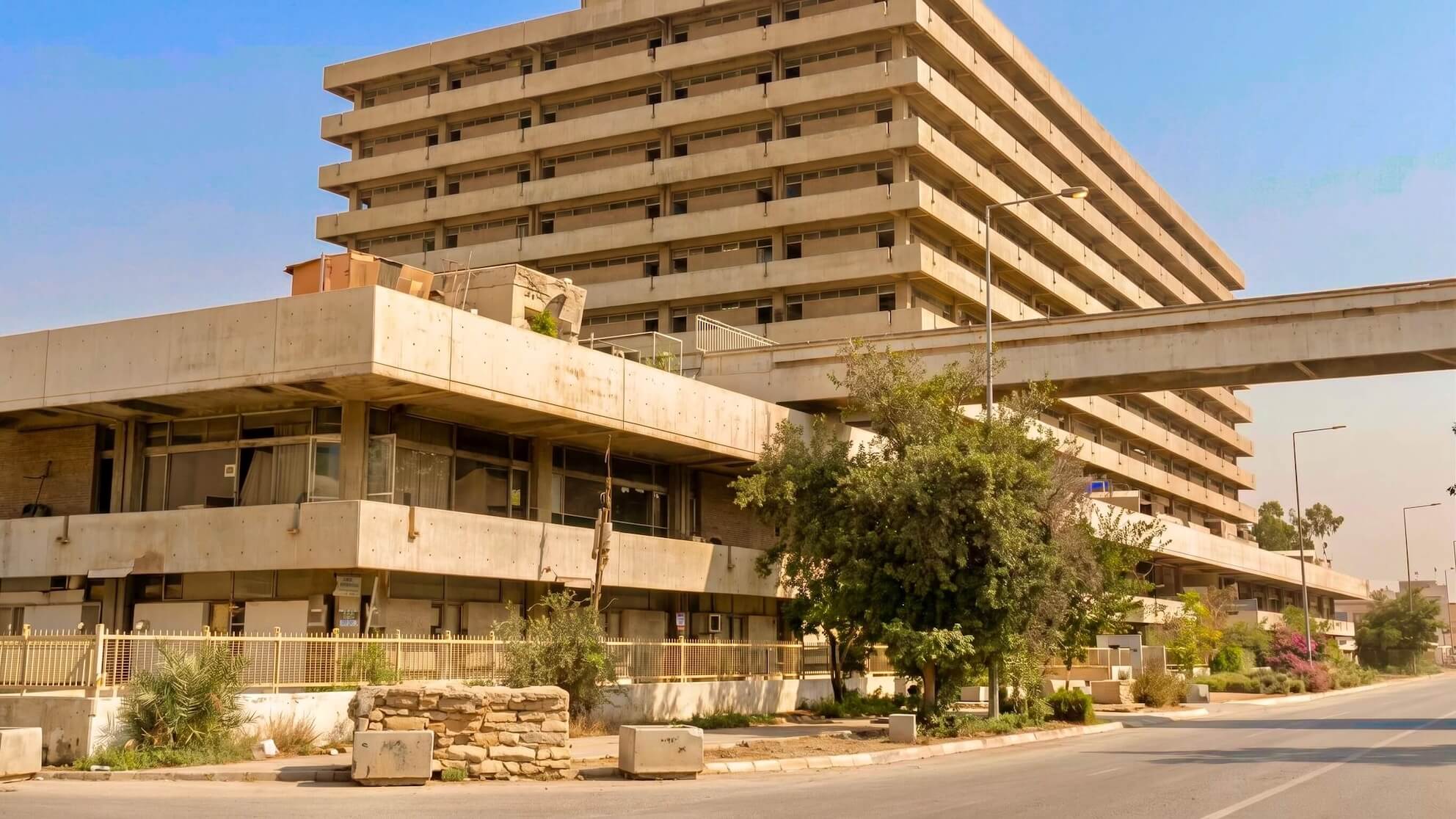
The former Ministry of Culture and Information, Baghdad
Following the 2003 missile strikes.
The former Ministry of Culture and Information, Baghdad
Following the 2003 U.S. invasion of Iraq.
The former Ministry of Culture and Information, Baghdad
Following the 2003 U.S. invasion of Iraq.
Cultural & Media Experience
Cultural & Media Experience
Cultural & Media Experience
This professional trajectory developed within official cultural institutions in Iraq, where artistic aptitude in drawing and visual composition led to an affiliation with the Ministry of Culture and Information in 1993. Throughout this phase, engagement spanned several of its departments and cultural entities, with contributions and professional collaborations continuing across these bodies until the end of 2007.
At the time, the Ministry of Culture and Information served as the primary center for the nation’s cultural and media life, embedded within a broad institutional environment where arts, journalism, publishing, printing, theater, broadcasting, and music converged alongside the Iraqi News Agency. This diverse setting provided an early opportunity to practice within an environment that merged various forms of cultural and media production.
Through extensive work in drawing, design, illustration, graphic design, publishing, and visual communication, a deep expertise was cultivated in handling imagery within cultural and editorial contexts, focusing on the interplay between visual expression and cultural content.
Children’s Culture House (1993–1999): Engagement involved producing illustrations and designing book and magazine covers within one of the most prominent cultural spaces dedicated to children’s literature, surrounded by a leading circle of the country’s top artists and writers in the field. This period formed an early extension of visual practice, framing imagery as a central element in delivering cultural content for young audiences.
This professional trajectory developed within official cultural institutions in Iraq, where artistic aptitude in drawing and visual composition led to an affiliation with the Ministry of Culture and Information in 1993. Throughout this phase, engagement spanned several of its departments and cultural entities, with contributions and professional collaborations continuing across these bodies until the end of 2007.
At the time, the Ministry of Culture and Information served as the primary center for the nation’s cultural and media life, embedded within a broad institutional environment where arts, journalism, publishing, printing, theater, broadcasting, and music converged alongside the Iraqi News Agency. This diverse setting provided an early opportunity to practice within an environment that merged various forms of cultural and media production.
Through extensive work in drawing, design, illustration, graphic design, publishing, and visual communication, a deep expertise was cultivated in handling imagery within cultural and editorial contexts, focusing on the interplay between visual expression and cultural content.
Children’s Culture House (1993–1999): Engagement involved producing illustrations and designing book and magazine covers within one of the most prominent cultural spaces dedicated to children’s literature, surrounded by a leading circle of the country’s top artists and writers in the field. This period formed an early extension of visual practice, framing imagery as a central element in delivering cultural content for young audiences.
This professional trajectory developed within official cultural institutions in Iraq, where artistic aptitude in drawing and visual composition led to an affiliation with the Ministry of Culture and Information in 1993. Throughout this phase, engagement spanned several of its departments and cultural entities, with contributions and professional collaborations continuing across these bodies until the end of 2007.
At the time, the Ministry of Culture and Information served as the primary center for the nation’s cultural and media life, embedded within a broad institutional environment where arts, journalism, publishing, printing, theater, broadcasting, and music converged alongside the Iraqi News Agency. This diverse setting provided an early opportunity to practice within an environment that merged various forms of cultural and media production.
Through extensive work in drawing, design, illustration, graphic design, publishing, and visual communication, a deep expertise was cultivated in handling imagery within cultural and editorial contexts, focusing on the interplay between visual expression and cultural content.
Children’s Culture House (1993–1999): Engagement involved producing illustrations and designing book and magazine covers within one of the most prominent cultural spaces dedicated to children’s literature, surrounded by a leading circle of the country’s top artists and writers in the field. This period formed an early extension of visual practice, framing imagery as a central element in delivering cultural content for young audiences.


Republic Newspaper (1998–1999): Practice extended into political illustration within one of the nation’s foremost official press institutions, where imagery was approached as a visual language operating in parallel with text.
Department of Cultural Relations: Contributions included designing cultural publications and printed materials associated with national cultural programs, international exchange initiatives, and institutional outreach with global organizations.
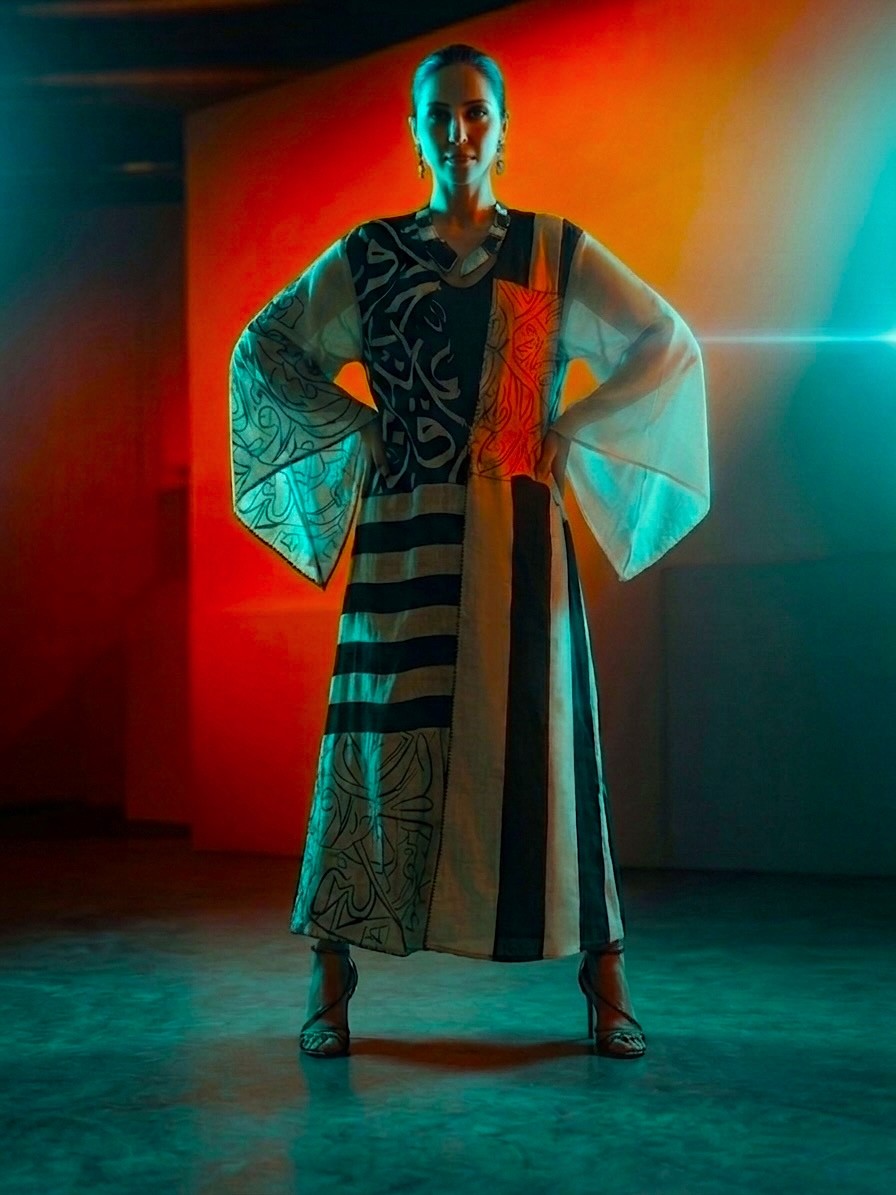
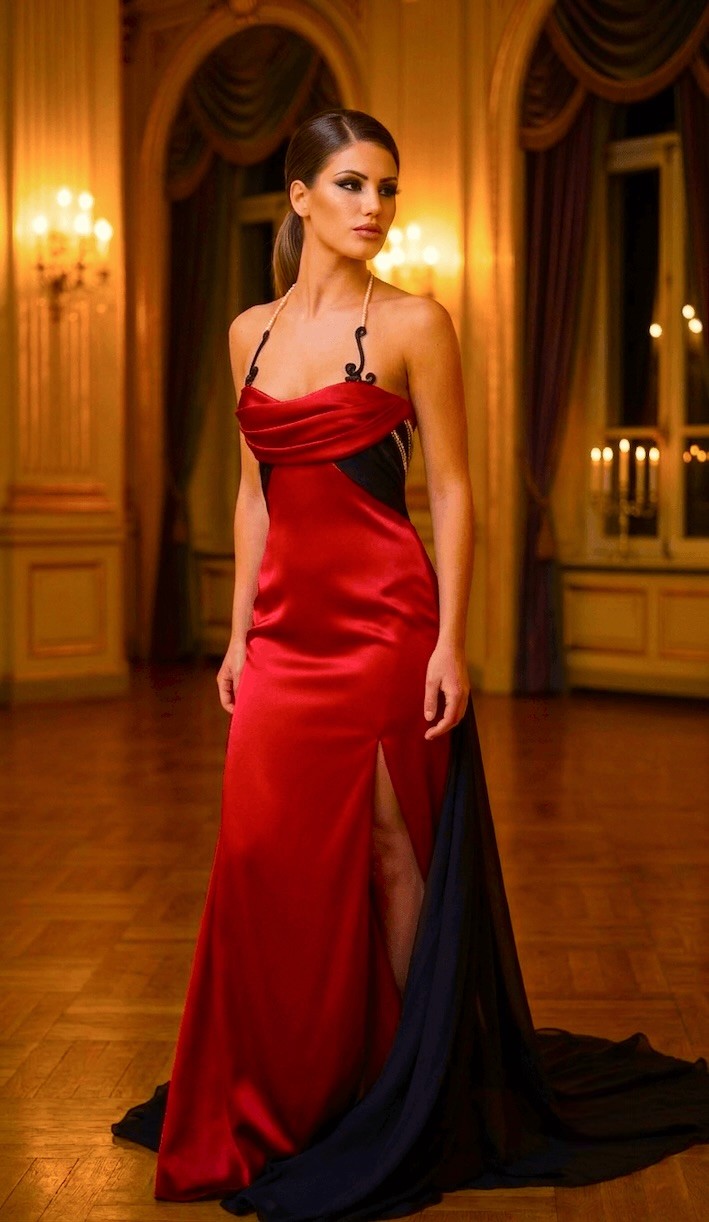
IIraqi Fashion House (1999–2007): This period marked a defining stage in his artistic and design career, where he served as Senior Designer and Chief Craftsman. At a time when fashion design had not yet been established as an independent academic discipline within Iraq’s formal art education system, his practice was shaped primarily by artistic talent, creative vision, and continuous exploration, bringing together art, design, and craftsmanship within a unified creative approach.
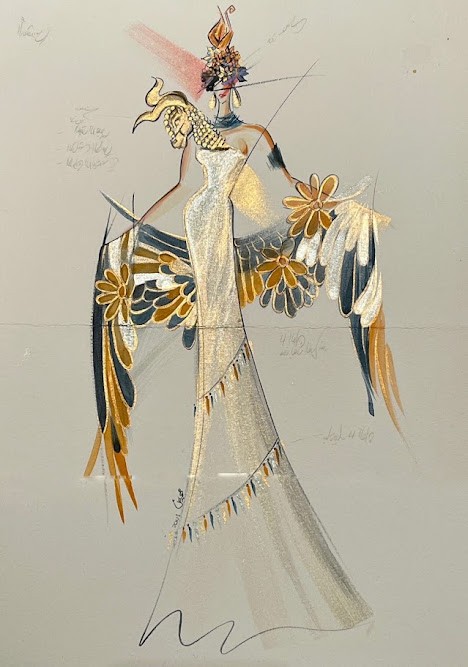
Throughout this period, he developed original design concepts, explored materials, and examined the relationships between colour, form, texture, and materiality, transforming creative ideas into works produced for the institution’s official and cultural programmes. His responsibilities also included developing colour palettes, creating textile patterns and decorative motifs, and preparing design proposals for national textile production lines, contributing to the visual identity of Iraqi fabrics and textile design.
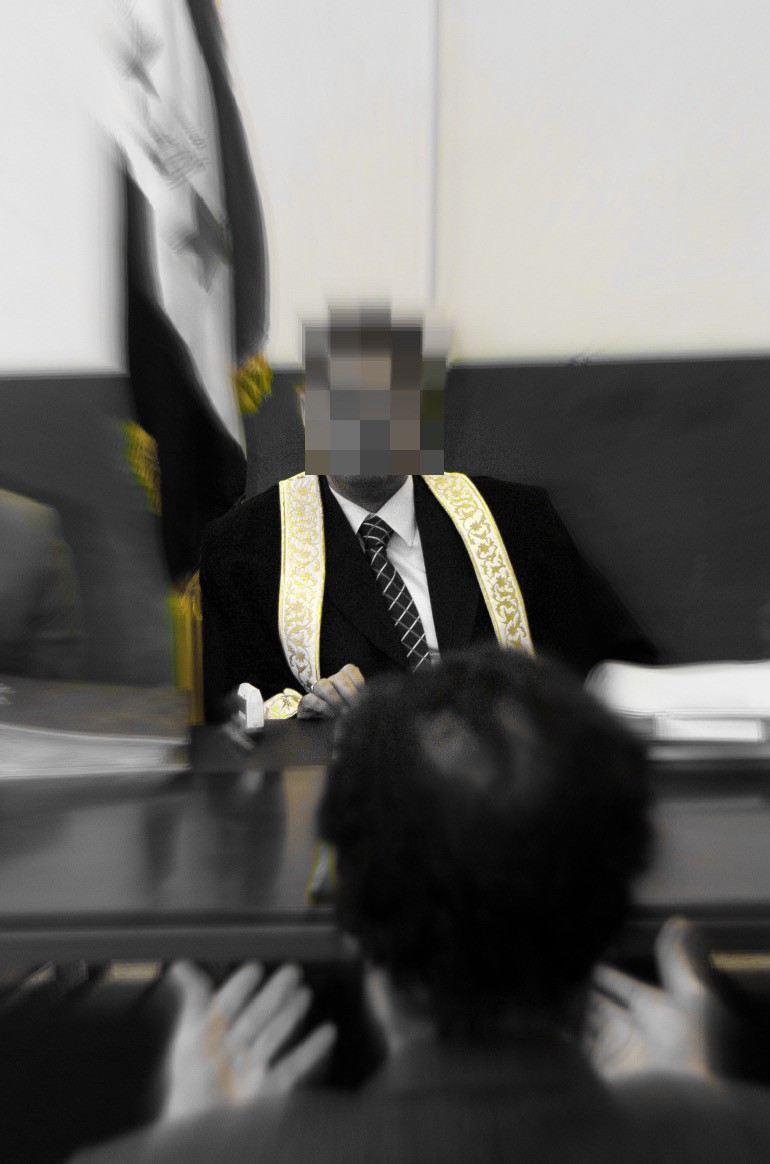
His practice extended to a number of official projects commissioned by the Presidency of the Republic, including the design of the official judicial robe for Iraq’s judiciary, as well as the development of ceremonial attire for public institutions. His work also encompassed the design of fashion presentations and their visual environments, integrating garment design, exhibition scenography, and visual expression.
In recognition of his artistic and professional contributions, he received several official honours from the President of the Republic of Iraq.
This period represented one of the most significant chapters in his interdisciplinary practice, where fashion was approached not simply as clothing, but as a creative discipline capable of shaping institutional identity, expressing cultural symbolism, and constructing visual presence.
Republic Newspaper (1998–1999): Practice extended into political illustration within one of the nation’s foremost official press institutions, where imagery was approached as a visual language operating in parallel with text.
Department of Cultural Relations: Contributions included designing cultural publications and printed materials associated with national cultural programs, international exchange initiatives, and institutional outreach with global organizations.
IIraqi Fashion House (1999–2007): This period marked a defining stage in his artistic and design career, where he served as Senior Designer and Chief Craftsman. At a time when fashion design had not yet been established as an independent academic discipline within Iraq’s formal art education system, his practice was shaped primarily by artistic talent, creative vision, and continuous exploration, bringing together art, design, and craftsmanship within a unified creative approach.
Throughout this period, he developed original design concepts, explored materials, and examined the relationships between colour, form, texture, and materiality, transforming creative ideas into works produced for the institution’s official and cultural programmes. His responsibilities also included developing colour palettes, creating textile patterns and decorative motifs, and preparing design proposals for national textile production lines, contributing to the visual identity of Iraqi fabrics and textile design.
His practice extended to a number of official projects commissioned by the Presidency of the Republic, including the design of the official judicial robe for Iraq’s judiciary, as well as the development of ceremonial attire for public institutions. His work also encompassed the design of fashion presentations and their visual environments, integrating garment design, exhibition scenography, and visual expression.
In recognition of his artistic and professional contributions, he received several official honours from the President of the Republic of Iraq.
This period represented one of the most significant chapters in his interdisciplinary practice, where fashion was approached not simply as clothing, but as a creative discipline capable of shaping institutional identity, expressing cultural symbolism, and constructing visual presence.

The Iraqi House of Fashion building in Baghdad
(1990s–2003).
The Iraqi House of Fashion building in Baghdad
(1990s–2003).




Museum & Exhibition Design
Museum & Exhibition Design
Museum & Exhibition Design
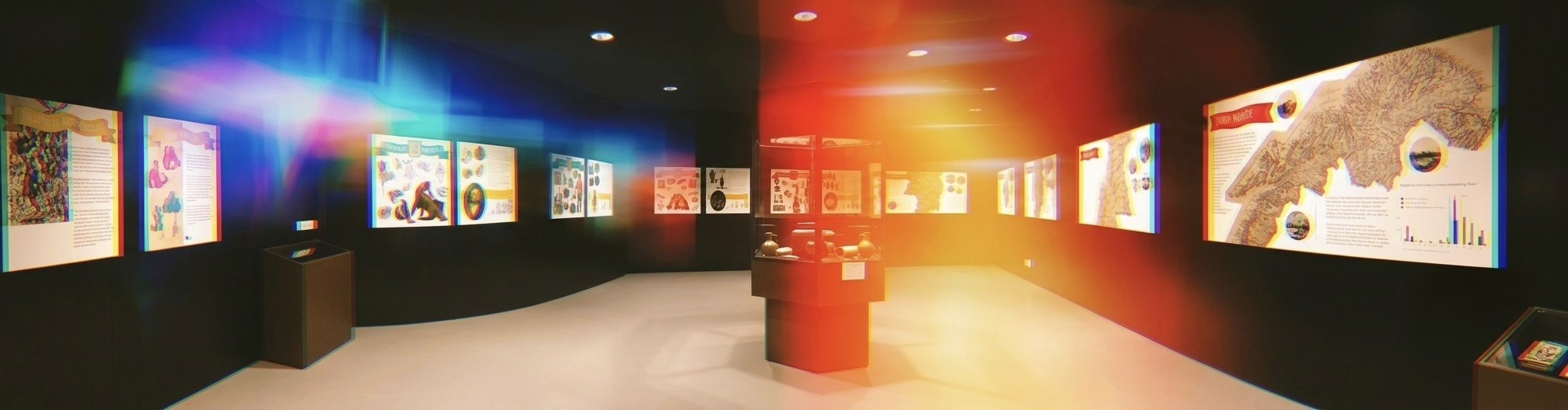
In Norway, his interdisciplinary practice extended into the museum sector, where his background in fine arts and design intersected with exhibition design, spatial development, and public cultural engagement.
At the Kon-Tiki Museum (2014–2015), his work focused on exhibition design and interior spatial planning, contributing to the visual presentation of collections and museum narratives. He also served as an advisor to the museum, providing expertise in design and drawing while developing visual solutions for exhibition projects and institutional needs.
In Norway, his interdisciplinary practice extended into the museum sector, where his background in fine arts and design intersected with exhibition design, spatial development, and public cultural engagement.
At the Kon-Tiki Museum (2014–2015), his work focused on exhibition design and interior spatial planning, contributing to the visual presentation of collections and museum narratives. He also served as an advisor to the museum, providing expertise in design and drawing while developing visual solutions for exhibition projects and institutional needs.
In Norway, his interdisciplinary practice extended into the museum sector, where his background in fine arts and design intersected with exhibition design, spatial development, and public cultural engagement.
At the Kon-Tiki Museum (2014–2015), his work focused on exhibition design and interior spatial planning, contributing to the visual presentation of collections and museum narratives. He also served as an advisor to the museum, providing expertise in design and drawing while developing visual solutions for exhibition projects and institutional needs.

The Kont-tiki Museum Oslo - Norway
The Kont-tiki Museum Oslo - Norway


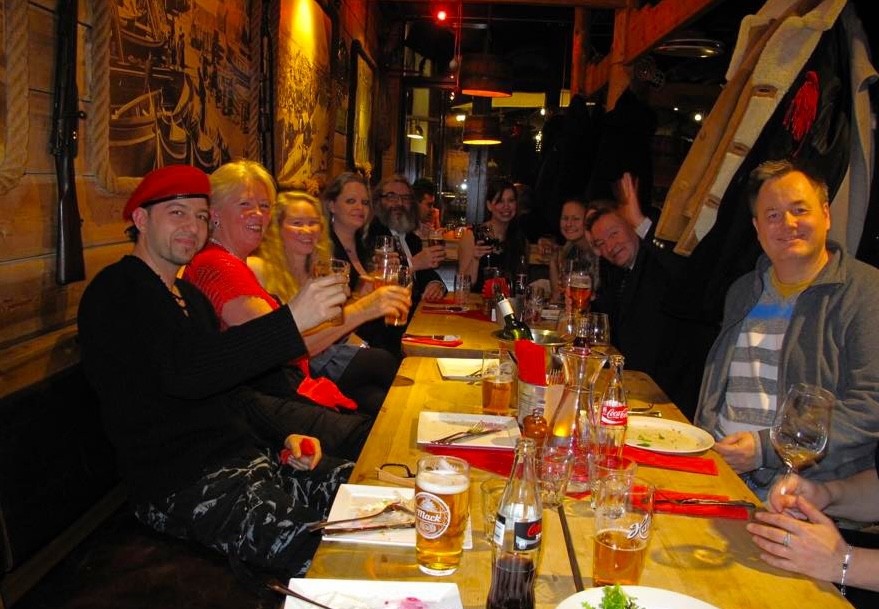
At the Norwegian Maritime Museum (2016–2017), affiliated with the Department of Research and Exhibitions, his involvement encompassed a range of exhibition and communication projects, including concept development, production and installation processes, and the creation of visual and educational materials. His contributions also included initiatives related to the conservation and presentation of the museum’s art collection, the design of temporary exhibitions, and the enhancement of public interaction with museum collections.
At the Norwegian Maritime Museum (2016–2017), affiliated with the Department of Research and Exhibitions, his involvement encompassed a range of exhibition and communication projects, including concept development, production and installation processes, and the creation of visual and educational materials. His contributions also included initiatives related to the conservation and presentation of the museum’s art collection, the design of temporary exhibitions, and the enhancement of public interaction with museum collections.

The Norwegian Maritime Museum Oslo - Norway
The Norwegian Maritime Museum Oslo - Norway

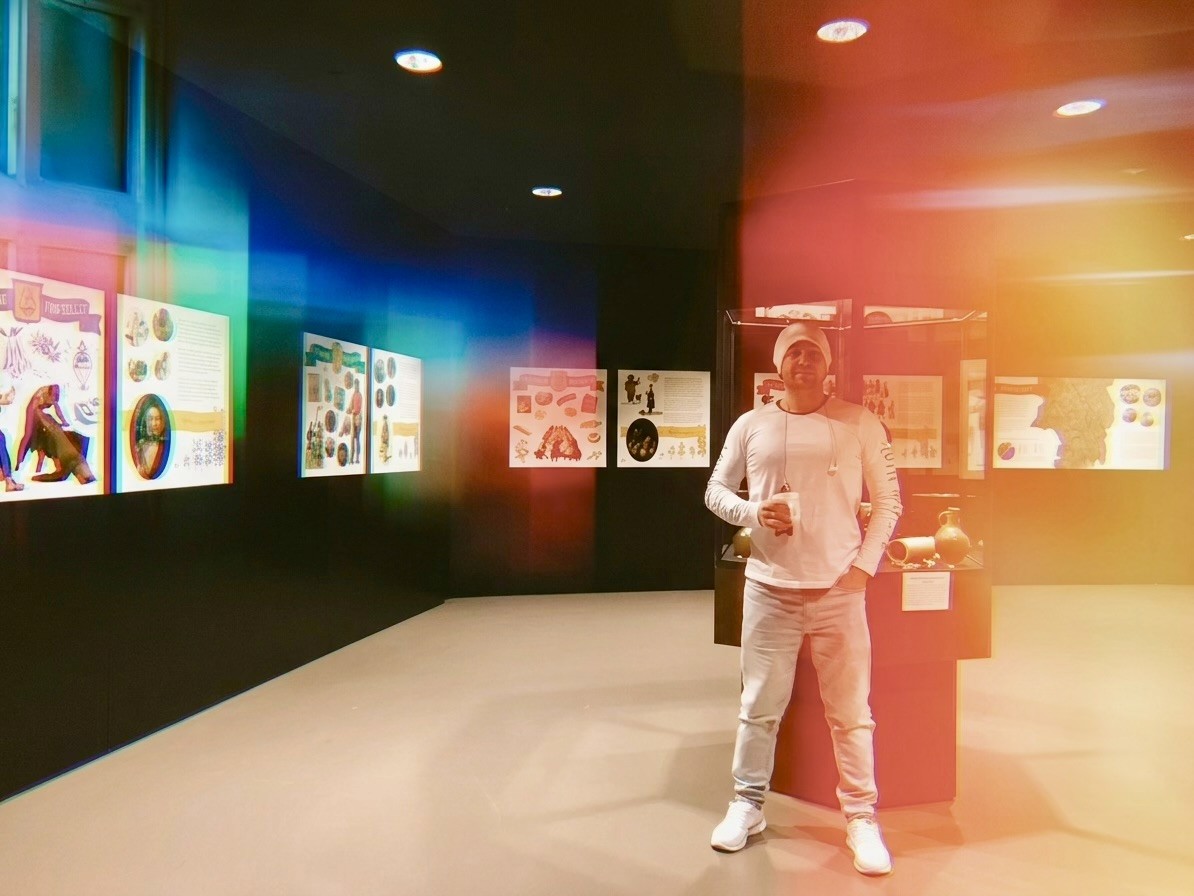


These experiences represented an extension of an established interdisciplinary practice within the museum context, applying artistic and design expertise to develop exhibition environments, shape visual approaches, and strengthen the relationship between cultural collections and their audiences.
These experiences represented an extension of an established interdisciplinary practice within the museum context, applying artistic and design expertise to develop exhibition environments, shape visual approaches, and strengthen the relationship between cultural collections and their audiences.
Artistic Practice
Artistic Practice
Artistic Practice
His practice is grounded in an interdisciplinary aesthetic vision that approaches art as a living field where ideas, materials, forms, and human experience intersect. His creative process emerges from an inner encounter, activated by moments of perception, reflection, or intellectual inquiry. For him, the artwork does not merely present a visual form; it seeks to concentrate meaning and imagination, transforming them into a tangible presence carrying both human and aesthetic dimensions.
Across his practice in fine arts, painting, digital art, graphic design, exhibition scenography, fashion design, and visual communication, these mediums are not approached as separate fields, but as distinct channels of a unified creative vision. A vision that explores the relationship between inner impulse and its visual manifestation. The artistic concept does not arise from form alone, but from the artist’s continuous engagement with the world and his pursuit of beauty as a transcendent value that extends beyond the completed work.
His works emerge from the aesthetic tension between an idea and its material realization through the language of colour, shadow, light, and composition. Material is not treated as a neutral medium, but as an active presence carrying expressive potential and unique sensory qualities. Form, likewise, is not a decorative end in itself, but a constructive language shaped through texture, space, and visual rhythm, giving physical presence to experiences that originate beyond the visible.
In painting, the practice becomes an ongoing exploration of perception and the formation of meaning through visual elements. In design, function enters into dialogue with aesthetic impact and identity. Within the museum space, ideas transform into spatial and experiential environments encountered by the viewer through movement and discovery. Meanwhile, visual communication serves as a bridge between creative expression, knowledge, and the public sphere.
Through this accumulated and diverse practice, his work continues to explore the relationship between creative expression, cultural memory, and the human condition. Each artwork represents a stage in an ongoing search rather than a final destination. After every creation, the artist returns to a sense of incompleteness, driven by a continuous desire to revisit the origin of the creative impulse and move closer to an ever-deepening understanding of meaning and beauty.
His practice is grounded in an interdisciplinary aesthetic vision that approaches art as a living field where ideas, materials, forms, and human experience intersect. His creative process emerges from an inner encounter, activated by moments of perception, reflection, or intellectual inquiry. For him, the artwork does not merely present a visual form; it seeks to concentrate meaning and imagination, transforming them into a tangible presence carrying both human and aesthetic dimensions.
Across his practice in fine arts, painting, digital art, graphic design, exhibition scenography, fashion design, and visual communication, these mediums are not approached as separate fields, but as distinct channels of a unified creative vision. A vision that explores the relationship between inner impulse and its visual manifestation. The artistic concept does not arise from form alone, but from the artist’s continuous engagement with the world and his pursuit of beauty as a transcendent value that extends beyond the completed work.
His works emerge from the aesthetic tension between an idea and its material realization through the language of colour, shadow, light, and composition. Material is not treated as a neutral medium, but as an active presence carrying expressive potential and unique sensory qualities. Form, likewise, is not a decorative end in itself, but a constructive language shaped through texture, space, and visual rhythm, giving physical presence to experiences that originate beyond the visible.
In painting, the practice becomes an ongoing exploration of perception and the formation of meaning through visual elements. In design, function enters into dialogue with aesthetic impact and identity. Within the museum space, ideas transform into spatial and experiential environments encountered by the viewer through movement and discovery. Meanwhile, visual communication serves as a bridge between creative expression, knowledge, and the public sphere.
Through this accumulated and diverse practice, his work continues to explore the relationship between creative expression, cultural memory, and the human condition. Each artwork represents a stage in an ongoing search rather than a final destination. After every creation, the artist returns to a sense of incompleteness, driven by a continuous desire to revisit the origin of the creative impulse and move closer to an ever-deepening understanding of meaning and beauty.
His practice is grounded in an interdisciplinary aesthetic vision that approaches art as a living field where ideas, materials, forms, and human experience intersect. His creative process emerges from an inner encounter, activated by moments of perception, reflection, or intellectual inquiry. For him, the artwork does not merely present a visual form; it seeks to concentrate meaning and imagination, transforming them into a tangible presence carrying both human and aesthetic dimensions.
Across his practice in fine arts, painting, digital art, graphic design, exhibition scenography, fashion design, and visual communication, these mediums are not approached as separate fields, but as distinct channels of a unified creative vision. A vision that explores the relationship between inner impulse and its visual manifestation. The artistic concept does not arise from form alone, but from the artist’s continuous engagement with the world and his pursuit of beauty as a transcendent value that extends beyond the completed work.
His works emerge from the aesthetic tension between an idea and its material realization through the language of colour, shadow, light, and composition. Material is not treated as a neutral medium, but as an active presence carrying expressive potential and unique sensory qualities. Form, likewise, is not a decorative end in itself, but a constructive language shaped through texture, space, and visual rhythm, giving physical presence to experiences that originate beyond the visible.
In painting, the practice becomes an ongoing exploration of perception and the formation of meaning through visual elements. In design, function enters into dialogue with aesthetic impact and identity. Within the museum space, ideas transform into spatial and experiential environments encountered by the viewer through movement and discovery. Meanwhile, visual communication serves as a bridge between creative expression, knowledge, and the public sphere.
Through this accumulated and diverse practice, his work continues to explore the relationship between creative expression, cultural memory, and the human condition. Each artwork represents a stage in an ongoing search rather than a final destination. After every creation, the artist returns to a sense of incompleteness, driven by a continuous desire to revisit the origin of the creative impulse and move closer to an ever-deepening understanding of meaning and beauty.


2005
Post-2003
2005
Post-2003
Educational and Cultural Recognition
Educational and Cultural Recognition
Educational and Cultural Recognition
The influence of his design practice has extended beyond institutional and professional contexts into the educational sphere in Iraq. His artistic contributions have been referenced within official curricula of Applied Arts under the Ministry of Education, including educational materials related to fashion and design, reflecting the integration of his experience into the transmission of artistic knowledge to new generations.
The influence of his design practice has extended beyond institutional and professional contexts into the educational sphere in Iraq. His artistic contributions have been referenced within official curricula of Applied Arts under the Ministry of Education, including educational materials related to fashion and design, reflecting the integration of his experience into the transmission of artistic knowledge to new generations.
The influence of his design practice has extended beyond institutional and professional contexts into the educational sphere in Iraq. His artistic contributions have been referenced within official curricula of Applied Arts under the Ministry of Education, including educational materials related to fashion and design, reflecting the integration of his experience into the transmission of artistic knowledge to new generations.



Investigative Journalism and Publishing
Investigative Journalism and Publishing
Investigative Journalism and Publishing
Alongside his artistic practice, he developed a journalistic path from the late 1990s, which later evolved into investigative journalism and independent publishing. Through independent media projects, he integrates documentary research, investigation, editorial work, visual production, and the design and management of digital publishing platforms.
His work focuses on issues of public interest, freedom of expression, institutional accountability, and the rule of law, drawing on documents, official records, and primary sources to produce journalism grounded in research and analysis.
Alongside his artistic practice, Victor Amle developed a journalistic path from the late 1990s, which later evolved into investigative journalism and independent publishing. Through independent media projects, he integrates documentary research, investigation, editorial work, visual production, and the design and management of digital publishing platforms.
His work focuses on issues of public interest, freedom of expression, institutional accountability, and the rule of law, drawing on documents, official records, and primary sources to produce journalism grounded in research and analysis.
In his practice, art and journalism converge as complementary approaches to understanding reality, where visual expression, narrative, and research intersect in examining power, institutions, and the transformations shaping society and the contemporary world.
In his practice, art and journalism converge as complementary approaches to understanding reality, where visual expression, narrative, and research intersect in examining power, institutions, and the transformations shaping society and the contemporary world.

Professional Journalistic Affiliations
Professional Journalistic Affiliations
He is a member of several professional journalistic and cultural organizations, including the International Federation of Journalists (IFJ), Norwegian PEN, Arab Journalists Union, and Iraqi Journalists Syndicate.
He is a member of several professional journalistic and cultural organizations, including the International Federation of Journalists (IFJ), Norwegian PEN, Arab Journalists Union, and Iraqi Journalists Syndicate.